Newsletter: Could Your Gut Be Affecting More Than Your Digestion?
You may have heard the famous phrase:
“All disease begins in the gut.”
This quote is often linked to Hippocrates. Of course, we wouldn’t say every disease literally starts in the gut — but modern science increasingly shows that gut health can influence far more than bloating, wind, constipation, or diarrhoea.
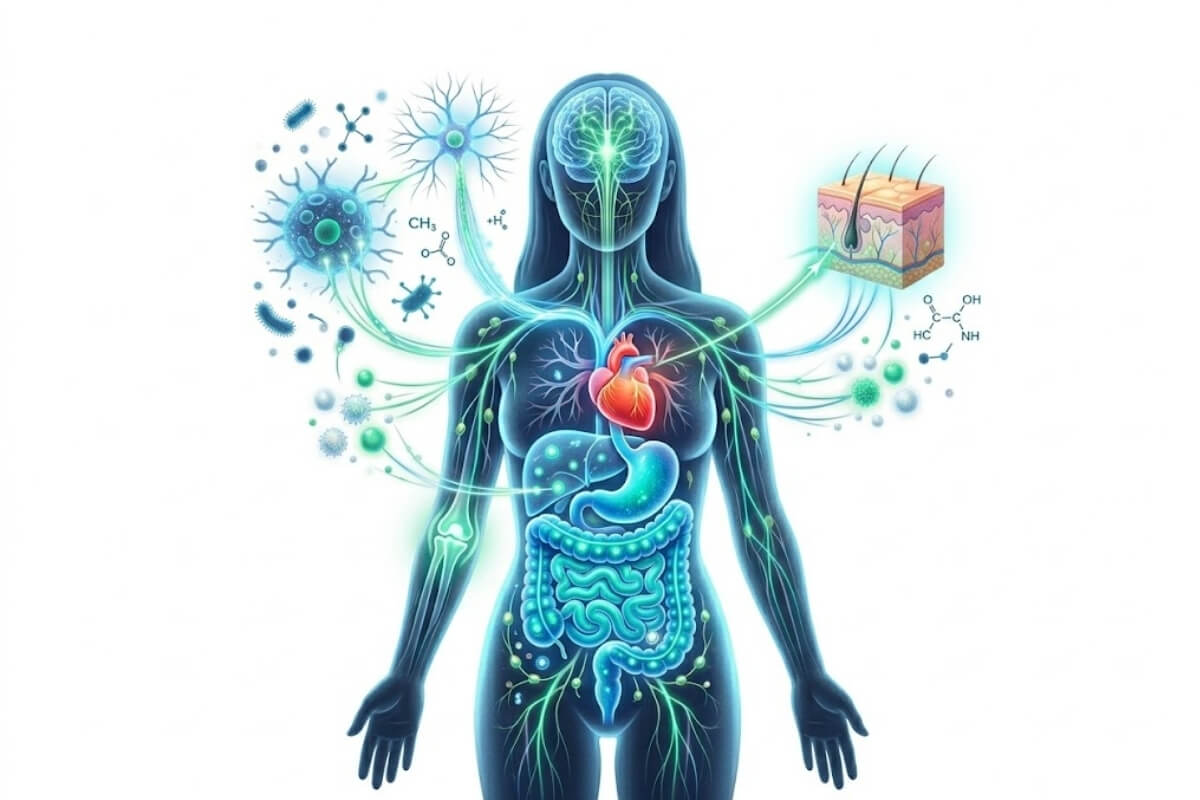
Your gut is home to trillions of bacteria, yeasts, and microbes. When these are balanced, they help with digestion, immunity, inflammation control, nutrient absorption, and even communication with the brain. When they become imbalanced — often called gut dysbiosis — or when the gut lining becomes more permeable, often called “leaky gut”, research links this with systemic inflammation and a wide range of health issues. Reviews have connected dysbiosis and increased intestinal permeability with conditions including inflammatory bowel disease, obesity, non-alcoholic fatty liver disease, cardiovascular disease, type 1 diabetes, and neurodegenerative conditions.
Health issues linked with gut bacteria imbalance or increased gut permeability.
Scientific research has linked poor gut health with:
Digestive symptoms
Bloating, wind, reflux-type symptoms, constipation, diarrhoea, IBS-type symptoms, and food sensitivity patterns.
Inflammation and immune issues
The gut barrier plays a major role in immune regulation. Increased intestinal permeability may allow bacterial fragments and inflammatory compounds to interact more strongly with the immune system. ([PMC][2])
Autoimmune and inflammatory conditions
Gut barrier disruption and dysbiosis have been studied in relation to inflammatory bowel disease, type 1 diabetes, and other systemic inflammatory conditions. ([PubMed][1])
Metabolic health and weight regulation
Gut bacteria influence blood sugar balance, insulin signalling, appetite hormones, fat metabolism, and inflammation. Dysbiosis has been linked with obesity, insulin resistance, type 2 diabetes, and cardiovascular risk. ([PMC][3])
Liver health
The gut and liver are closely connected through the “gut–liver axis”. Gut imbalance and increased permeability have been linked with non-alcoholic fatty liver disease. ([PubMed][1])
Mood, anxiety, and brain fog
The gut and brain communicate through the gut–brain axis, involving the vagus nerve, immune system, hormones, and microbial metabolites. Research has linked gut dysbiosis with mood and mental health changes, including anxiety and depression, although this area is still developing. ([PMC][4])
Skin issues
Because the gut influences inflammation, detoxification pathways, nutrient absorption, and immune balance, gut imbalance may contribute to skin flare-ups in some people, including acne, eczema-type irritation, and inflammatory skin patterns.
Fatigue and low vitality
If your gut is not digesting and absorbing nutrients well, or if it is driving low-grade inflammation, you may feel sluggish, foggy, heavy, or generally “not quite right”.
Our Bioresonance Gut Health Scan
At The Perrymount Clinic, our Bioresonance Gut Health Scan is designed to give you a simple, personalised overview of what may be stressing your digestive system.
This non-invasive scan uses a hair sample to find how substances “resonate” to your DNA to see if you would have an intolerance to them or a need for them. For example, we scan:
✅ Food intolerance patterns
✅ Major food groups to avoid
✅ Digestive stress patterns
✅ Gut bacteria balance
✅ Yeast and fungal stress patterns
✅ Nutrient deficiencies
✅ Gut lining support
✅ Microbial stress patterns
✅ Gut healing supplements based on the 5R protocol
This is not a medical diagnosis, but it can be a very useful way to explore why your gut may not be functioning as well as it should — and what practical steps may help.
Common signs your gut may need support
You may benefit from a gut scan if you regularly experience:
👎 Bloating after meals
👎 Constipation or loose stools
👎 Reflux or indigestion
👎 Excessive wind
👎 Food reactions
👎 Sugar cravings
👎Brain fog
👎 Low energy
👎 Skin flare-ups
👎 Joint aches or inflammation
👎 Poor immunity
👎 Difficulty losing weight
👎 Feeling worse after certain foods
Click the links below to read more and to purchase the hair scan.
References
[1]: https://pubmed.ncbi.nlm.nih.gov/37505311/?utm_source=chatgpt.com "Gut microbiota, intestinal permeability, and systemic ..."
[2]: https://pmc.ncbi.nlm.nih.gov/articles/PMC10954893/?utm_source=chatgpt.com "Gut microbiota, intestinal permeability, and systemic ... - PMC"
[3]: https://pmc.ncbi.nlm.nih.gov/articles/PMC11351922/?utm_source=chatgpt.com "Gut Microbiota Dysbiosis, Oxidative Stress, Inflammation, and ..."
[4]: https://pmc.ncbi.nlm.nih.gov/articles/PMC12038870/?utm_source=chatgpt.com "Gut Microbiota and Mental Health: A Comprehensive Review ..."