
The difference between wheat, gluten and gliadin
Understanding Gluten, Wheat, and Gliadin Intolerance: A Natural Health Perspective
Food intolerances are becoming increasingly common, and among the most confusing are gluten, wheat, and gliadin intolerances. While these terms are often used interchangeably, they represent distinct sensitivities, each with its own specific triggers and symptoms. In this blog, we’ll explore the differences between these three types of intolerances, the foods involved, and how to manage them from a natural health perspective.
What is Gluten Intolerance?
Gluten intolerance (also called non-celiac gluten sensitivity, or NCGS) refers to an adverse reaction to gluten, a protein found in wheat, barley, and rye. Gluten is composed of two primary proteins: gliadin and glutenin. While people with gluten intolerance do not have the autoimmune response seen in celiac disease, they still experience a range of symptoms when consuming gluten-containing foods.
Gluten intolerance symptoms may include:
Bloating and gas
Abdominal pain
Fatigue
Headaches
Brain fog
Joint pain
Skin issues like eczema or rashes
Gluten intolerance is typically diagnosed when celiac disease and wheat allergies are ruled out, and symptoms improve after following a gluten-free diet.
What is Wheat Intolerance?
Wheat intolerance is a broader sensitivity that refers to difficulty digesting wheat proteins, which may include gluten but also other proteins like albumin, globulin, and amylase-trypsin inhibitors. This type of intolerance is distinct from a wheat allergy, which involves an immune response and can cause more severe reactions, such as hives or anaphylaxis.
People with wheat intolerance may react to any part of the wheat grain, not just gluten. They may tolerate other grains like barley and rye, which also contain gluten, but struggle specifically with wheat.
Wheat intolerance symptoms are similar to gluten intolerance and can include:
Digestive issues (bloating, diarrhea, constipation)
Headaches
Fatigue
Joint pain
Skin irritations
Individuals with wheat intolerance often benefit from eliminating wheat from their diet, but they may not need to follow a completely gluten-free diet, as they can sometimes tolerate gluten from non-wheat sources.
What is Gliadin Intolerance?
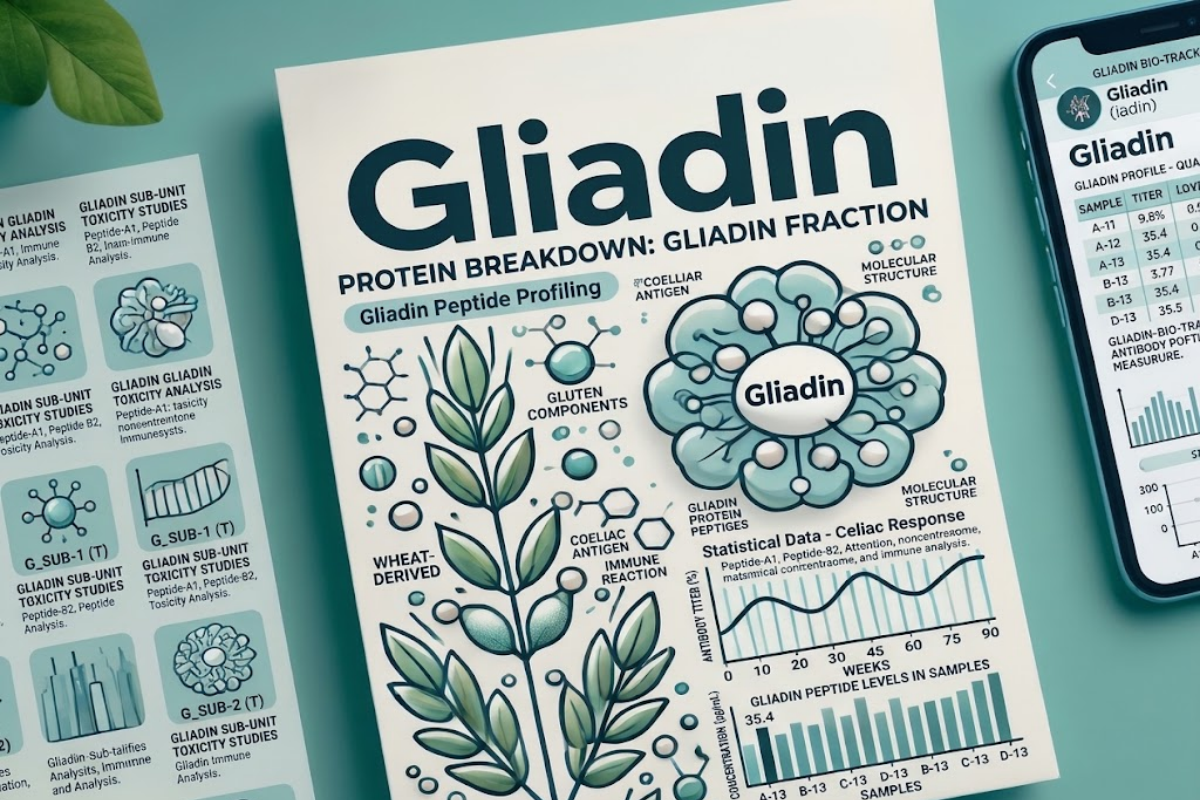
Gliadin intolerance is a more specific form of gluten intolerance where the individual reacts primarily to gliadin, one of the proteins that make up gluten. Gliadin is the component of gluten that causes the immune reaction in people with celiac disease, an autoimmune disorder. However, some people may react to gliadin even without having celiac disease.
Gliadin is found in the same grains as gluten—wheat, barley, and rye—but gliadin intolerance focuses on sensitivity to this specific protein rather than gluten as a whole.
Gliadin intolerance symptoms overlap with gluten intolerance and may include:
Digestive discomfort (bloating, diarrhea, gas)
Headaches and migraines
Fatigue
Joint pain
Brain fog
Because gliadin is part of gluten, those with gliadin intolerance often need to avoid all gluten-containing grains. The difference here is the specific reaction to gliadin as the main irritant.
Foods Containing Gluten, Wheat, and Gliadin
Understanding which foods to avoid for gluten, wheat, or gliadin intolerance is crucial for managing symptoms. Here’s a breakdown of foods to watch out for:
Foods Containing Gluten (which includes both gliadin and glutenin):
Wheat-based products: Bread, pasta, cereals, crackers, and pastries made from wheat flour.
Barley: Found in malted products like beer, malt vinegar, and some soups.
Rye: Often used in rye bread, some cereals, and alcoholic drinks.
Other grains: Spelt, kamut, triticale (a wheat-rye hybrid).
Hidden sources of gluten: Processed foods like sauces, soups, salad dressings, and snacks may contain gluten as a thickening or binding agent.
Foods Containing Wheat (but may be gluten-free if sourced from other grains):
Baked goods: Cakes, cookies, muffins, and pastries made with wheat flour.
Pastas: Wheat-based pasta (spaghetti, lasagna).
Cereals: Many breakfast cereals contain wheat.
Breads: Especially white, whole wheat, and multigrain breads.
Wheat can also appear in unexpected places like soy sauce, soups, and salad dressings, so it’s important to read food labels carefully. For wheat intolerance, it’s necessary to avoid wheat-based products but not necessarily all gluten-containing grains.
Foods Containing Gliadin (a protein within gluten):
Wheat, barley, and rye: All gluten-containing foods also contain gliadin, so individuals with gliadin intolerance should avoid the same foods as those with gluten intolerance.
Spelt and kamut: Ancient grains that contain gluten and gliadin.
Like gluten intolerance, people with gliadin intolerance need to avoid gluten-containing grains altogether.
Diagnosing and Managing Intolerances
If you suspect you have an intolerance to gluten, wheat, or gliadin, an elimination diet can help identify the specific trigger. In this process, you remove all potential problem foods for a few weeks and then gradually reintroduce them one by one to observe which causes symptoms.
For diagnosing celiac disease, specific blood tests and intestinal biopsies are required. Non-celiac gluten sensitivity is diagnosed based on symptom improvement when following a gluten-free diet after ruling out celiac disease and wheat allergies.
Naturopathic Approaches to Managing Gluten, Wheat, and Gliadin Intolerance
From a naturopathic and holistic health perspective, managing these intolerances focuses on healing the gut, reducing inflammation, and supporting overall health with natural dietary alternatives.
1. Follow an Elimination Diet: To identify whether gluten, wheat, or gliadin is the issue, a structured elimination diet can be extremely helpful. Remove all gluten and wheat-containing foods for a few weeks and reintroduce one at a time to see which is causing the symptoms.
2. Support Gut Health:
Probiotics: Support a healthy gut microbiome by incorporating probiotics from foods like sauerkraut, kimchi, or yogurt (if tolerated) or supplements with strains like Lactobacillus and Bifidobacterium.
Gut-Healing Foods: Include foods that help restore gut lining integrity, like bone broth, aloe vera, and L-glutamine. These can help soothe inflammation and repair damage caused by intolerances.
Prebiotics: Foods like garlic, onions, and chicory root, which help nourish beneficial gut bacteria, should be included if tolerated.
3. Reduce Inflammation: Incorporating anti-inflammatory foods and herbs, such as turmeric (which contains curcumin), ginger, and omega-3 fatty acids from fish or flaxseeds, can help manage inflammation caused by food intolerances.
4. Gluten-Free, Wheat-Free Alternatives: Emphasize gluten-free and wheat-free grains, such as:
Quinoa
Buckwheat
Amaranth
Rice
Millet
These grains are naturally gluten- and wheat-free, making them ideal for people with any of these intolerances.
5. Monitor Nutrient Deficiencies: People with gluten intolerance or celiac disease may have trouble absorbing nutrients. Pay attention to vitamins and minerals such as:
Iron
Calcium
Folate
B-vitamins (B12 in particular)
Supplementing with these nutrients or focusing on nutrient-dense foods can help prevent deficiencies.
6. Stress Reduction: Chronic stress can exacerbate digestive problems, so incorporating stress-reducing practices like yoga, meditation, or deep breathing exercises can improve overall digestive health.
Conclusion
Although gluten, wheat, and gliadin intolerances are related, they represent distinct sensitivities, each with different triggers and dietary restrictions. Whether you have a broader wheat intolerance, a gluten sensitivity, or a specific reaction to gliadin, managing your diet carefully can lead to symptom relief and improved health. Naturopathic approaches focus on dietary changes, gut healing, and natural remedies to support digestion and reduce inflammation. By identifying your specific sensitivity and taking a holistic approach, you can successfully manage your symptoms and restore digestive balance.
Want to find out if you have food sensitivities?
Click here to try our hair scan analysis for food intolerance.
References
1. Fasano, A., & Catassi, C. “Current Approaches to Diagnosis and Treatment of Celiac Disease: An Evolving Spectrum