What is Histamine
Histamine-Rich Foods: A Natural Health Perspective
What is Histamine?
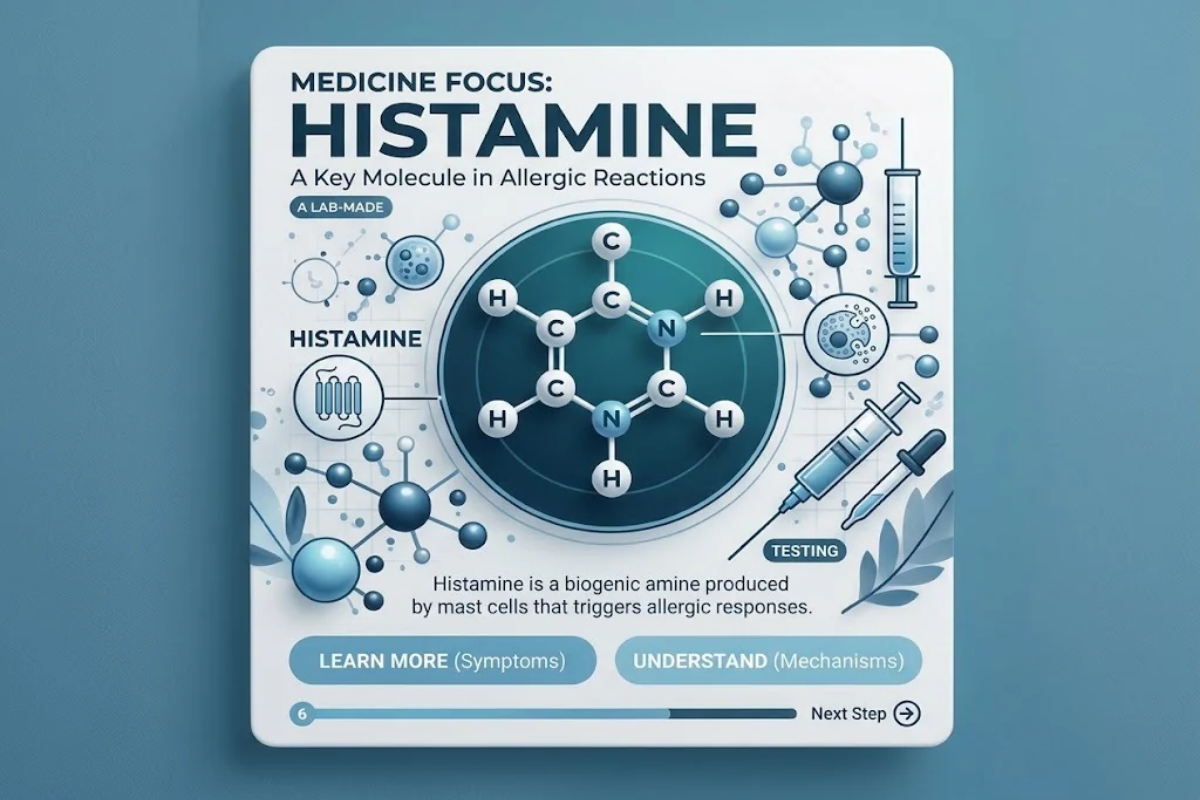
Histamine is a naturally occurring chemical in the body that plays a key role in immune responses, digestion, and the central nervous system. It's best known for triggering allergic reactions, as it helps the body respond to allergens by dilating blood vessels and sending white blood cells to fight off invaders. While histamine is necessary for many bodily functions, some individuals are sensitive to high levels of histamine or have difficulty breaking it down, leading to a condition called histamine intolerance.
Histamine intolerance occurs when there is a buildup of histamine in the body due to impaired breakdown, typically involving the enzyme diamine oxidase (DAO), which is responsible for breaking down excess histamine. When histamine builds up, it can cause a range of uncomfortable symptoms.
List of Common Histamine-Rich Foods
Histamine is present in many foods, particularly those that are fermented, aged, or processed. Here’s a list of common histamine-rich foods:
1. Fermented foods: Sauerkraut, kimchi, miso, kombucha, yogurt, kefir, and soy sauce
2. Aged cheeses: Cheddar, Gouda, Parmesan, and blue cheese
3. Processed meats: Salami, ham, bacon, and sausages
4. Alcoholic beverages: Particularly red wine, beer, and champagne
5. Certain fish: Especially those that have been improperly stored (tuna, mackerel, sardines, anchovies)
6. Pickled or canned foods: Pickles, olives, and certain canned vegetables
7. Vinegar-containing foods: Balsamic vinegar, pickles, and other preserved products
8. Certain vegetables: Tomatoes, eggplants, spinach, and avocados
9. Leftover meats and fish: Reheating protein-rich foods can increase histamine levels
10. Certain fruits: Strawberries, bananas, and citrus fruits (although histamine levels in fruits can vary)
Histamine content can vary depending on how the food is processed, stored, and handled, so even some fresh, non-fermented foods can contain histamine, especially if they've been stored improperly.
Symptoms of Histamine Intolerance
When histamine accumulates in the body and is not broken down properly, a variety of symptoms may occur. These symptoms can mimic allergic reactions or other common health issues, making histamine intolerance tricky to diagnose. Symptoms may include:
Headaches or migraines: Histamine can dilate blood vessels, potentially leading to headaches.
Digestive issues: Bloating, diarrhea, nausea, and stomach cramps.
Skin reactions: Flushing, hives, itching, or eczema.
Respiratory issues: Nasal congestion, sneezing, and asthma-like symptoms.
Fatigue: General feelings of tiredness or lethargy.
Rapid heartbeat: Palpitations or tachycardia.
Anxiety or dizziness: Histamine can also affect neurotransmitters, leading to mood disturbances.
Symptoms of histamine intolerance may resemble those of food allergies, but unlike a true allergy, histamine intolerance results from an inability to metabolize excess histamine rather than an immune system response.
Naturopathic Perspective on Managing Histamine Intolerance
From a naturopathic and holistic perspective, managing histamine intolerance involves addressing the root causes, which often include poor gut health, enzyme deficiencies, and chronic inflammation. The focus is on dietary management, gut healing, and lifestyle adjustments to reduce histamine levels naturally.
1. Low-Histamine Diet: The first step in managing histamine intolerance is to follow a low-histamine diet. This involves eliminating high-histamine foods for a period of time to allow the body to reset. Foods that are generally considered low in histamine include:
Fresh, non-processed meats and fish (avoid leftovers)
Fresh fruits like apples, pears, and melons
Non-fermented grains like rice and oats
Leafy greens and vegetables such as zucchini and broccoli
Coconut milk or almond milk (avoid cow’s milk and fermented dairy)
After the elimination phase, slowly reintroduce foods to identify your individual tolerance levels.
2. Support DAO Enzyme Activity: Diamine oxidase (DAO) is the main enzyme responsible for breaking down histamine in the body. Some people with histamine intolerance may benefit from supplements that support DAO production. Increasing intake of certain nutrients can help, such as:
Vitamin B6: Necessary for DAO production (found in chicken, turkey, spinach, and bananas)
Vitamin C: Helps degrade histamine and supports immune function (found in bell peppers, oranges, and strawberries)
Copper: A cofactor for DAO (found in shellfish, seeds, and nuts)
3. Gut Health Restoration: Since DAO is produced in the small intestine, supporting gut health is crucial for managing histamine intolerance. Strategies for improving gut health include:
Probiotics: While many fermented foods are high in histamine, certain strains of probiotics (such as Lactobacillus rhamnosus and Bifidobacterium infantis) can be beneficial for reducing histamine production in the gut.
Prebiotic fibers: Foods like chicory root, garlic, and onions can feed beneficial gut bacteria and improve gut lining health.
Bone broth and collagen: These help repair the gut lining and reduce inflammation.
4. Herbal Remedies:
Quercetin: A natural antihistamine found in foods like onions, apples, and broccoli. Quercetin supplements can reduce histamine release and support inflammation reduction.
Stinging Nettle: Known for its antihistamine properties, stinging nettle tea or supplements can alleviate histamine-related symptoms like nasal congestion and skin rashes.
Butterbur: An herbal remedy known for reducing symptoms of allergic rhinitis and histamine-related headaches.
5. Lifestyle Adjustments: Certain lifestyle factors can exacerbate histamine intolerance. To support the body’s ability to process histamine, consider:
Reducing stress: Chronic stress can increase histamine release, so practicing stress management techniques such as yoga, meditation, or deep breathing can be helpful.
Exercise moderation: While exercise is important for health, strenuous activity can increase histamine levels. Moderate exercise may be more suitable for those with histamine intolerance.
Proper food storage: Eating fresh foods and avoiding leftovers can help minimize histamine exposure.
6. Detox Support: Supporting your body’s natural detoxification pathways can help reduce histamine burden. This can include:
Adequate hydration: Drink plenty of water to help flush excess histamine from your system.
Liver-supporting herbs: Milk thistle and dandelion root can support liver detoxification and help break down excess histamine.
Conclusion
Histamine is a crucial part of the body’s immune system, but in some individuals, high levels can cause uncomfortable symptoms due to an inability to break it down. Histamine intolerance is often managed by following a low-histamine diet, supporting gut health, and using natural antihistamine herbs such as quercetin and stinging nettle. By identifying triggers and focusing on gut restoration and enzyme support, many people can find relief from histamine intolerance symptoms.
References
1. Maintz, L., & Novak, N. “Histamine and histamine intolerance.” American Journal of Clinical Nutrition, 2007.
2. Schwelberger, H. G. "Histamine intolerance: A metabolic disease?" Inflammation Research, vol. 59, 2010, pp. 219-221.
3. Comas-Basté, O., et al. “Histamine Intolerance: The Current State of the Art.” Biomolecules, 2020.